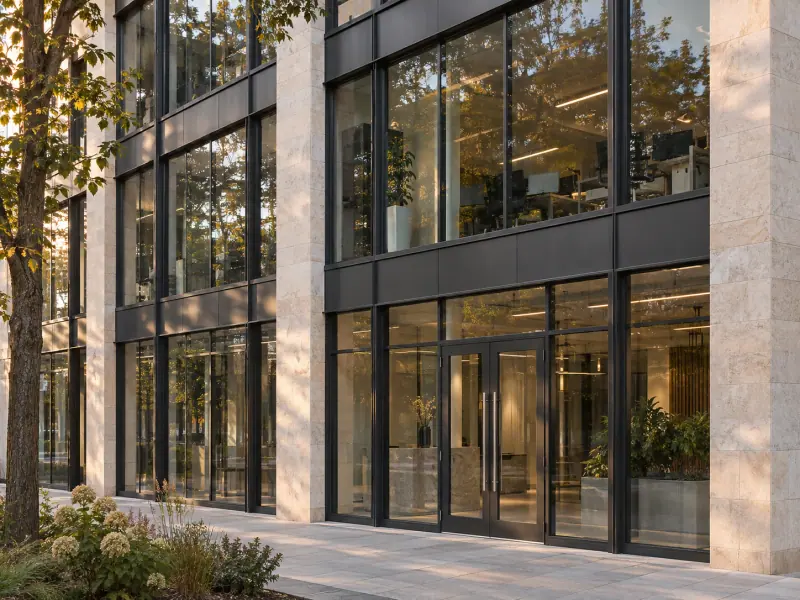
Commercial Windows
Commercial windows include several assembly types, operations and performance conditions.
Browse commercial window collections by system, project type, operation and performance requirements.
Commercial windows include several assembly types, operations and performance conditions.

A custom commercial window request needs a defined opening and intended operation.

Aluminum commercial windows are selected around the complete frame, glass and installation condition.
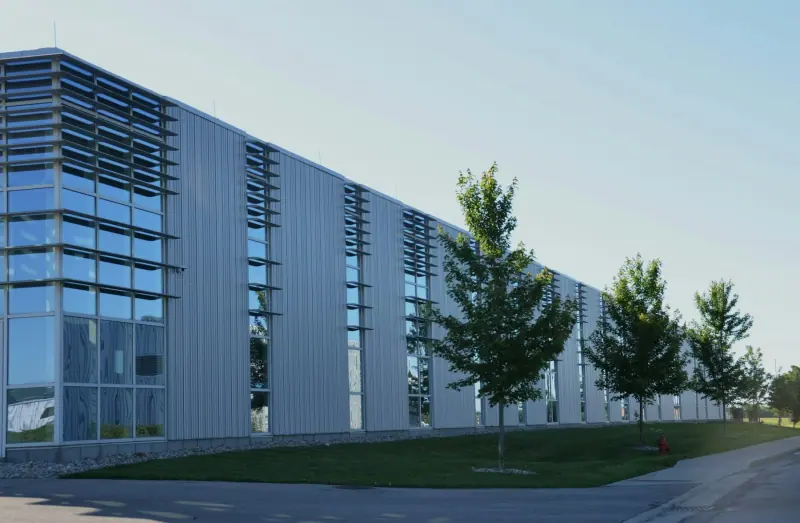
Fixed commercial windows provide glazed openings without an operating sash.
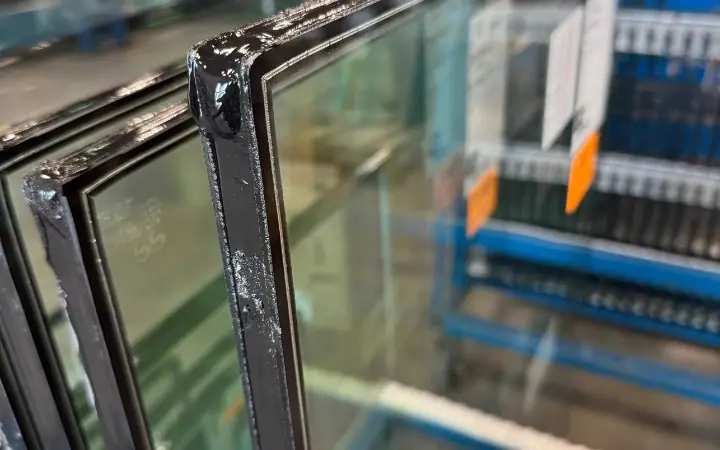
Commercial IGU requests concern the sealed glass assembly, often within retained framing.

Projected commercial windows introduce an operating sash into the facade.

Commercial awning windows use a top-hinged operating arrangement.
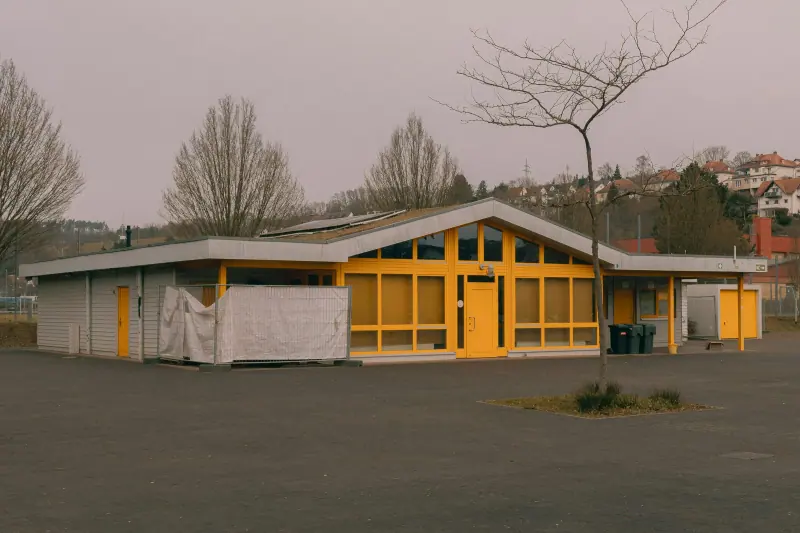
Commercial hopper windows use a bottom-hinged operating arrangement.

Commercial casement windows use a side-hinged operating sash.

Commercial single-hung windows combine a vertically moving sash with a fixed portion.
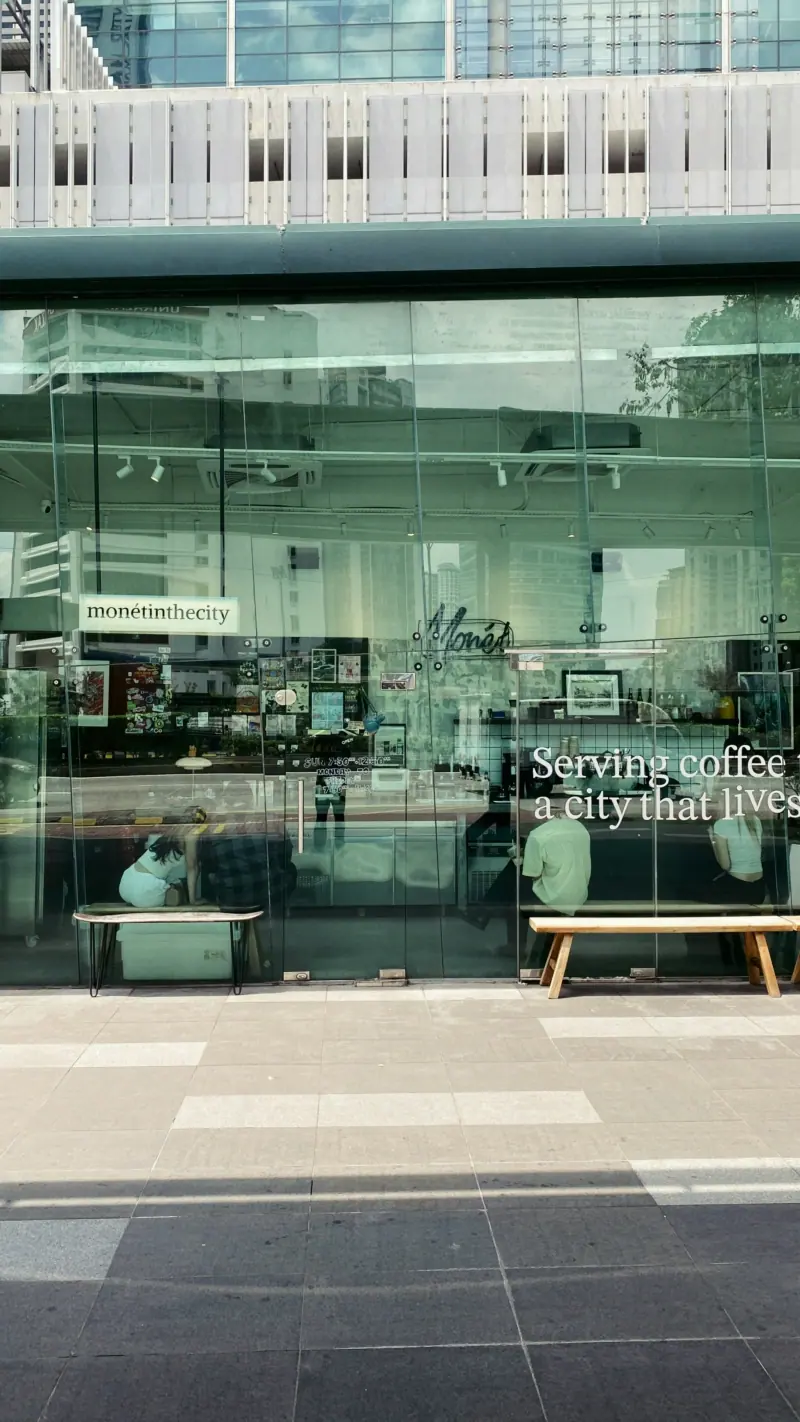
Commercial sliding windows provide horizontal movement without a projecting sash.

Commercial storefront packages often combine fixed glass, framing and entrances at a highly visible building frontage.

Curtain wall selection starts with the building envelope, structural interfaces and movement conditions.

Window wall packages are coordinated around the floor-to-floor building condition and the actual perimeter details.

Ribbon windows form a continuous horizontal composition across a facade.

Commercial replacement windows should be selected around the existing assembly and the intended retain-or-remove strategy.

Historic window projects begin with the accepted preservation approach and an opening inventory.

Steel-replica window requests focus on narrow profiles, divisions and an appearance associated with older steel windows.
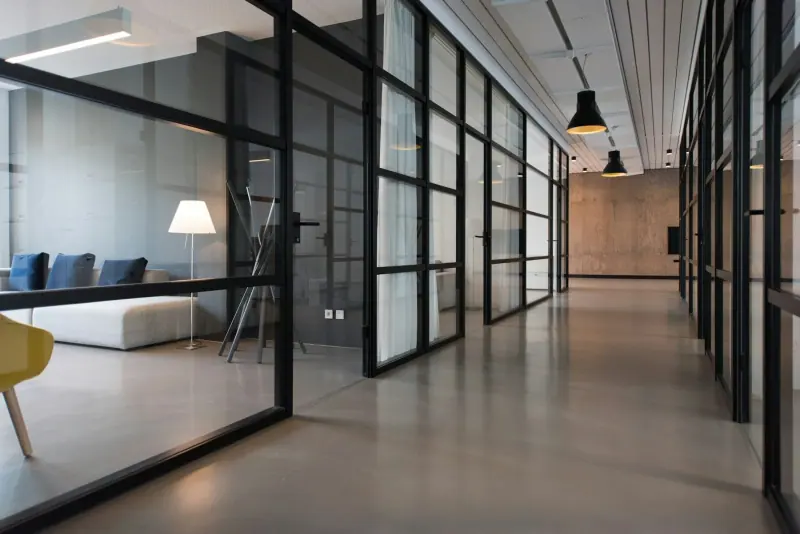
Interior commercial windows include borrowed lites, sidelites and glazed partition openings.
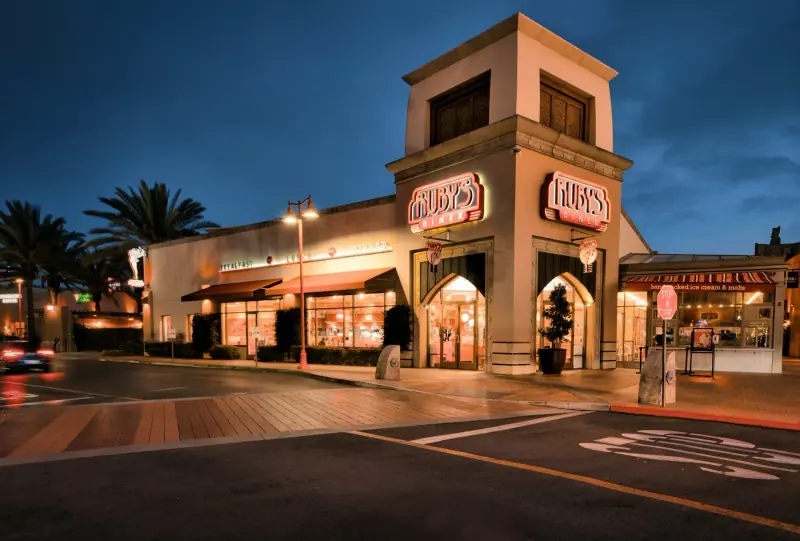
Transaction windows combine an opening with a defined service or communication function.
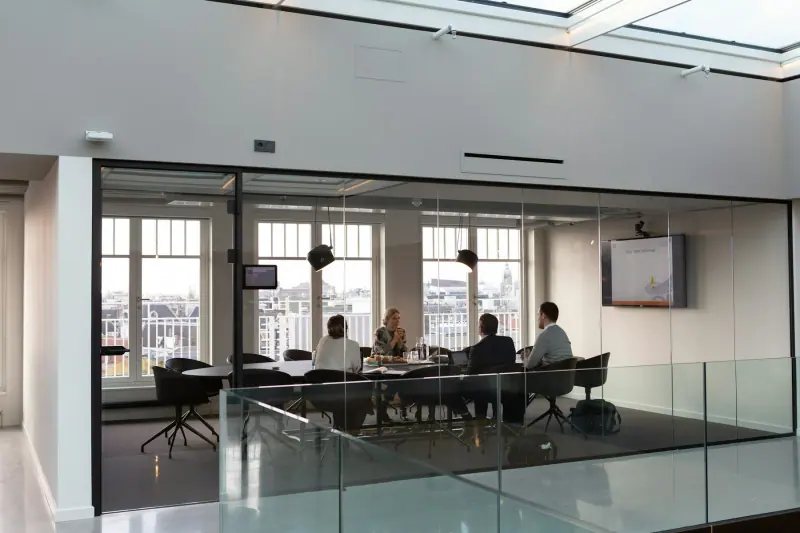
Acoustic commercial window requests should begin with a documented sound-performance target and the actual building condition.
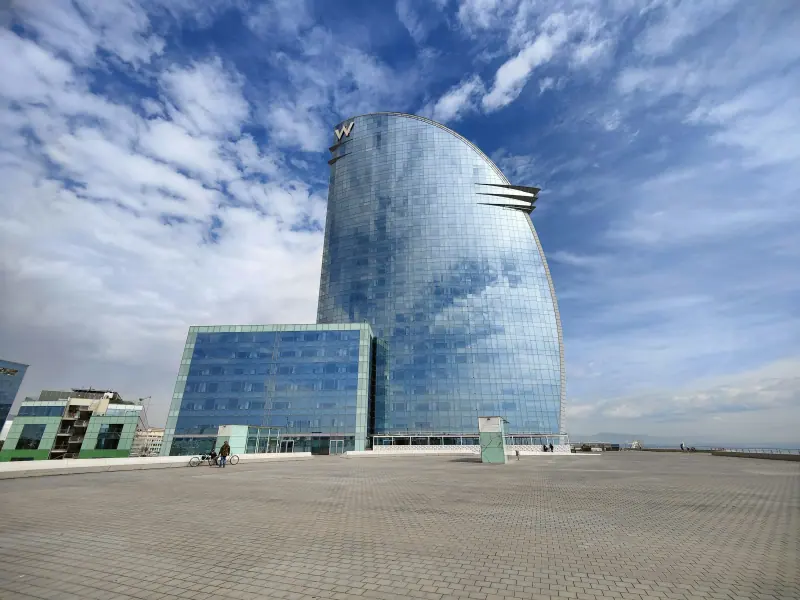
Impact-related commercial window requests need a defined project location, exposure and applicable criteria from the responsible project team.

Coastal commercial projects can combine wind, water, impact, thermal and exposure considerations.

Security window requests must describe the required threat or performance criteria and the intended use.

Fire-rated window requests require the project’s specific rating and assembly criteria.

Energy-related commercial window selection concerns the complete assembly and the project’s thermal and solar requirements.

Oversized commercial windows need review of the actual frame, glass, size and support condition.

Window and louver packages coordinate glazing with a ventilation or mechanical opening.

Office window packages can combine exterior punched windows, ribbon glazing, curtain wall and interior partitions.
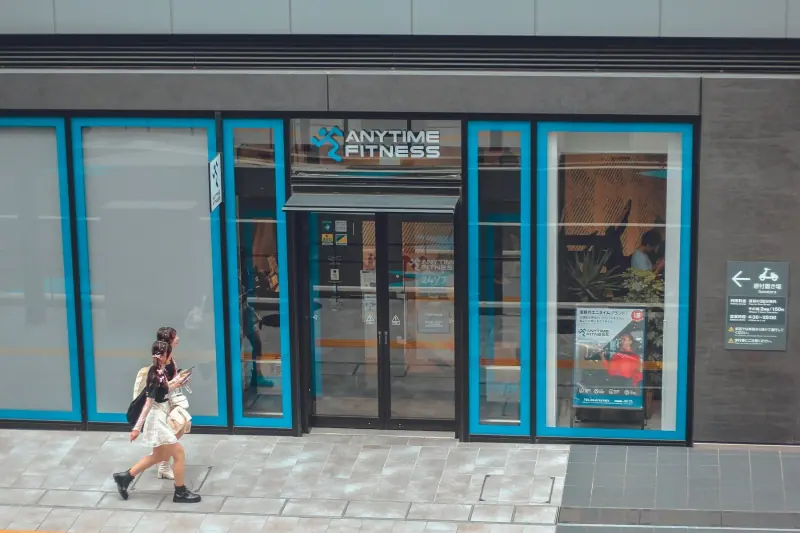
Retail glazing connects display areas, entrances and the public frontage.
Multifamily windows need a quantity record that connects typical units with actual buildings, levels and exceptions.
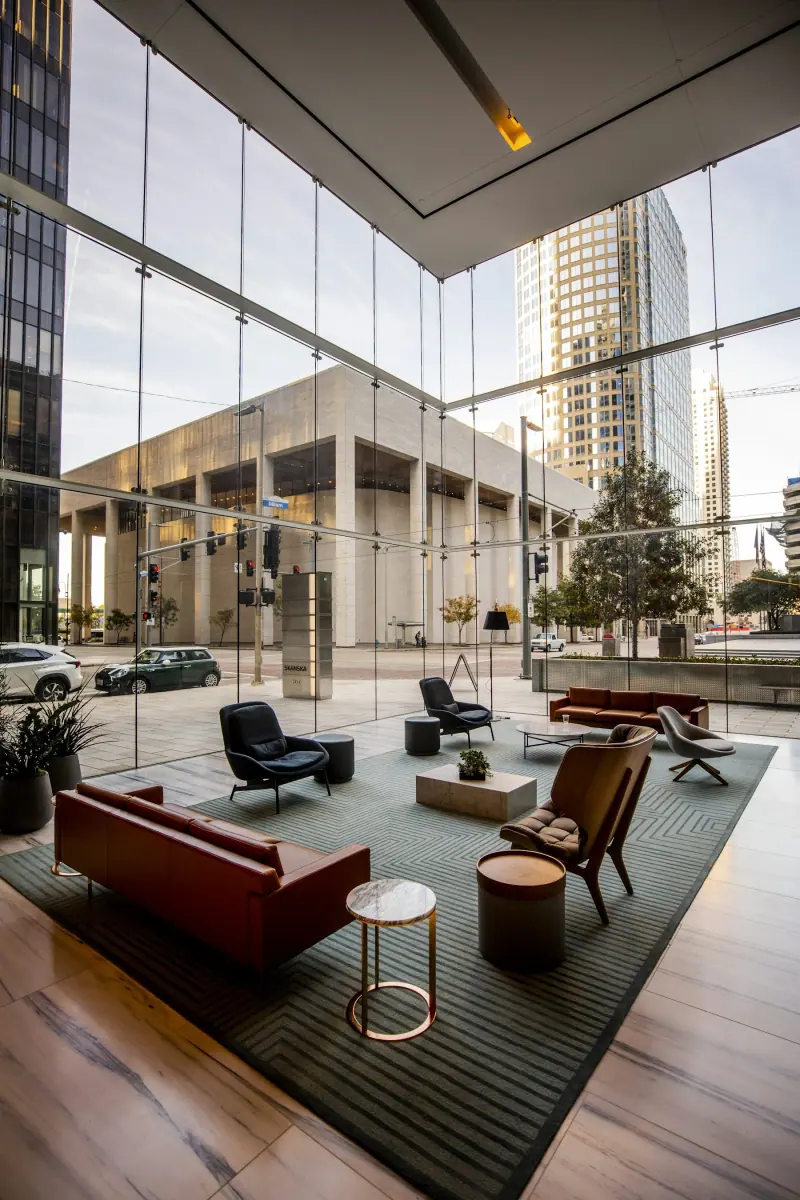
Hotel and hospitality window packages combine repeated guest-room openings with public, dining and amenity glazing.
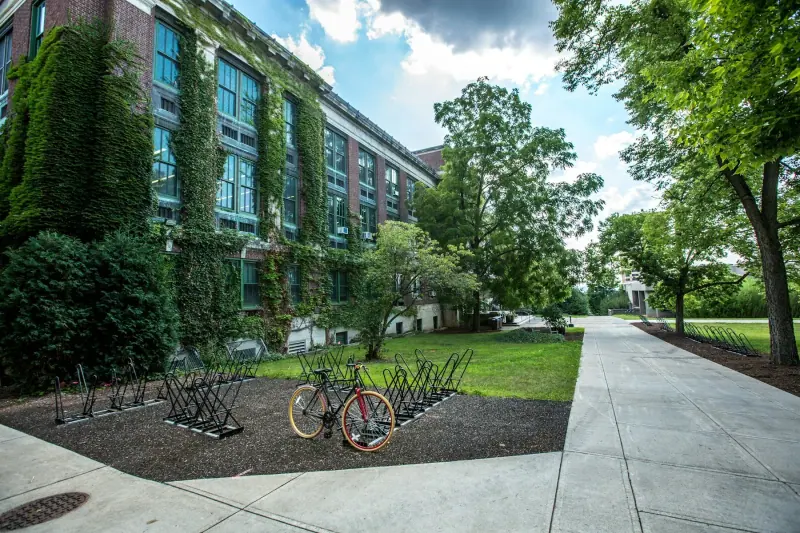
School and education window packages need to reflect classrooms, offices, circulation and specialized spaces.
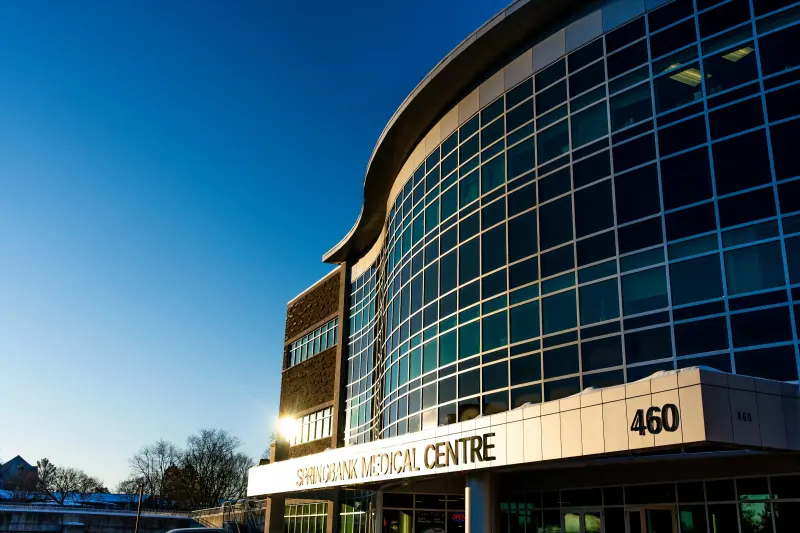
Healthcare building glazing should be organized around the actual use of each space and the project’s specified requirements.

Institutional buildings need a window package that reflects the use of each space, the facilities team’s operating needs and the project’s review process.
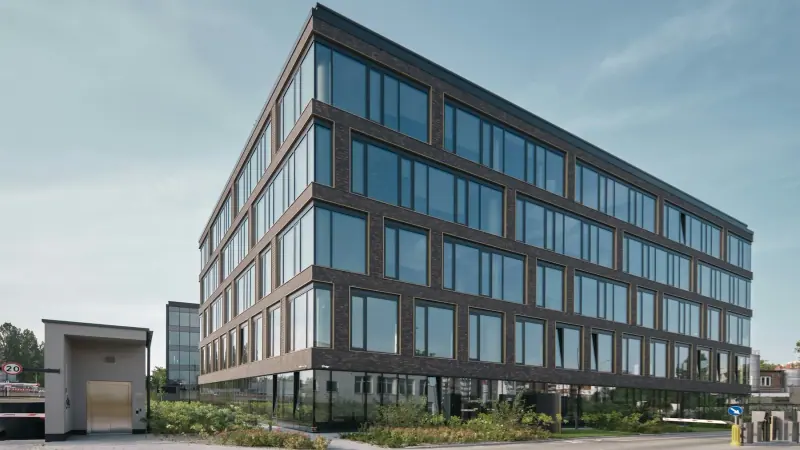
Government building window packages need a clear specification, purchasing scope and review record.
Bring the opening schedule and glass requirements together so the product review starts with the right information.
Organize opening IDs, dimensions, quantities and project notes.
Compare glass makeup and performance requirements.
Submit the plans and scope for a project-specific review.